
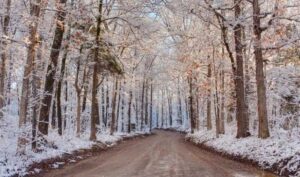
 As autumn’s vibrant foliage surrenders to the crisp, chilly embrace of the winter months, Arkansas undergoes a breathtaking transformation. But with the changing seasons comes the imperative to prepare our homes and families for the impending cold. In this post, we’ll explore the beauty of Arkansas in winter while uncovering the essential steps to keep you warm and safe during this enchanting yet challenging time of year.
Weatherproofing Your Home: Is Your Home Ready?
Weatherproofing your home is a crucial step in ensuring your family’s comfort and safety, particularly during cold weather. One important piece of preparing your home for winter is to maintain regular maintenance of your heating systems and chimneys to ensure they will not only heat your home, but to prevent fires, carbon monoxide leaks, and heating inefficiencies. Following this and other suggested weatherproofing tips, such as adding insulation, will help safeguard your home and give you peace of mind that your home is ready for every season.
Insulation for Comfort & Efficiency: Stay Cozy All Winter Long
Insulation is a key part of weatherproofing that plays a vital role in maintaining indoor warmth while curbing your energy bills. Investing in proper insulation for your home, especially in your attic, walls, and crawl space, will help protect your entire home, including your heating system and water pipes, during winter weather. To evaluate if your home is properly insulated, look for uneven heating or cooling, drafty rooms, or increased energy bills. For a comprehensive assessment and upgrade, contact a professional insulation expert. Insulation installed professionally ensures adherence to safety standards, precise material handling, and optimal performance, making it a wise choice over DIY projects. Never hesitate to contact an insulation specialist to guarantee your home has greater comfort and energy efficiency throughout any type of winter weather.
Emergency Preparedness: Be Ready for Anything
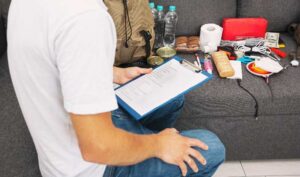 A heavy winter snow or ice storm can come upon our area quickly, so it’s important to be prepared with a well-stocked emergency kit to get you and your family through any prolonged power outages and severe winter weather. Inside your kit include essentials like non-perishable food, water, flashlights, batteries, a first aid kit, and food for pets. As you prepare, remember your pipes! To prevent frozen pipes when temperatures drop, insulate them, allow faucets to drip, and keep cabinets open to let warm air circulate. If pipes do freeze, turn off your water supply, thaw each pipe with a gentle heat source, and call a professional if needed. Preparedness is key to staying safe during emergencies.
Outdoor Safety: Venturing Out
When venturing outdoors in icy conditions, take slow, deliberate steps, wear slip-resistant footwear, and use handrails when available. Be careful not to overexert yourself when you shovel snow off your sidewalk. If you choose to drive, follow these winter driving tips: Drive slowly and cautiously, allowing extra space for braking, be aware of dangers such as downed power lines, and keep a supply kit in your car in case of emergency with such things as a bag of kitty litter or sand if you get stuck, an ice scraper, jumper cables, and more. As temperatures drop and winter storms arrive, protect your pets with insulated clothing, shorter walks, and antifreeze-awareness. Ultimately, stay inside and enjoy the cozy indoors with your family and pets during icy and frigid conditions and only exit your home when it’s necessary.
Community Support: Looking Out for You and Your Neighbors
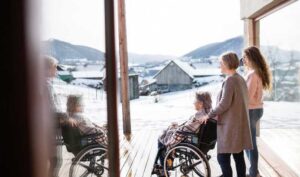 Our Arkansas community strives to take care of its residents during winter by providing crucial resources, including shelters for those in need and assistance programs for heating costs. Community support and taking care of our neighbors is equally vital, so consider checking on your elderly neighbors and those you know who may be vulnerable to the cold. Together, we can look out for one another in our community, creating a safety net where no one faces winter’s challenges alone.
Helping to Ensure a Snug and Worry-Free Winter
As we embrace the upcoming winter season, staying warm, safe, and prepared is paramount. Remember to utilize key safety tips, including creating an emergency kit, maintaining your heating systems, and ensuring your home is properly insulated. Assessing and upgrading your insulation is a huge step in keeping your home cozy and energy efficient all year long. Don’t hesitate to contact our expert insulation team at G&S Insulating today. We are ready to ensure you have a snug and worry-free winter in the Natural State with a properly insulated and air sealed home.