
As a homeowner in Arkansas, you know our summer heat isn’t just uncomfortable, it’s relentless. July and August often bring heat indexes well into the 90s and triple digits. In fact, in 2022, Little Rock saw more than a dozen days at 100°F or higher. You also know that when temperatures climb, energy bills usually follow.
The good news is that there are practical, affordable ways to stay comfortable without overworking your air conditioner. These Arkansas summer cooling tips focus on everything from optimizing your home’s insulation to using your appliances more efficiently and other everyday habits that help reduce home heat gain and lower costs.
Optimize Your Insulation: The Best Defense Against Arkansas Heat
Insulation is your home’s first line of defense against summer heat. It reduces heat transfer between the outdoors and your living space, helping keep cool air inside.
Priority areas for insulation in your home
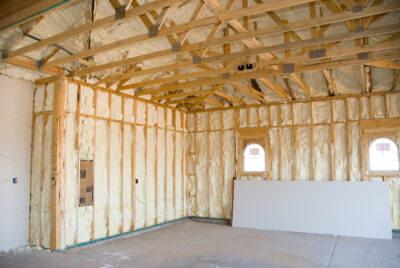
The attic
This should be your top priority because an under-insulated attic radiates solar heat into your home. The current Arkansas state energy code requires approximately R-30 attic insulation for new homes. More current recommendations from ENERGY STAR state that the best R-value for attics in our climate is a bit higher at R-49 to R-60 for complete coverage.
Exterior walls
Insulating your home’s outer walls helps slow the flow of heat from the outside into your living spaces.
The crawl space
Warm, moist air can leak from your crawl space to the floor above. Insulation and encapsulation help keep out the warm, outside air and moisture from your crawl space.
Don’t skip air sealing
Before adding insulation, it’s critical to focus on sealing the air leaks in your home first, especially around attic floors, ductwork, and wall framing. When insulation and air sealing work together, you get both a thermal barrier and an airtight envelope. The U.S. Environmental Protection Agency (EPA) estimates this combo can cut your heating and cooling costs by about 15%.
Some extra perks of air sealing include a less drafty home that is cooled more evenly and better indoor air quality due to less dust and humidity sneaking through gaps and penetration points.
Popular insulation options for Arkansas’s climate
- Blown-in cellulose or fiberglass
- Fiberglass batts
- Spray foam, which insulates and air-seals in one step
Maximize Airflow: Strategic Ventilation for Arkansas Homes
Ceiling fans
Set your ceiling fans to spin counterclockwise in summer. This ceiling fan summer setting pushes air downward, creating a wind-chill effect that lets you raise your thermostat about 4°F without discomfort. It’s even been noted that every 2°F increase can trim about 5-7% off your cooling costs. But remember, fans cool people, not rooms, so turn them off when you leave the room.
Attic ventilation
Most Arkansas homes have passive attic vents, such as ridge, gable, or soffit vents, for attic ventilation. During the summer, a vented attic can reach 140°F or more, making effective ventilation vital. Attic ventilation best practices, such as not blocking soffit or ridge vents with insulation and installing rafter vents (aka baffles) when adding attic insulation, can make a big difference.
Attic fans and whole house fan cooling systems are options that are only helpful if your attic is well sealed from your living space. Otherwise, they can pull conditioned air upward. These fans are most effective after sunset or in early morning, and don’t remove humidity on muggy nights.
Cross-ventilation strategies
Open your windows on opposite sides of your house during early morning or late evening. Use exhaust fans in the kitchen when cooking and the bathroom when showering, and make sure they vent to the outdoors, not into your attic.
Harness Natural Shade: Keeping the Arkansas Sun at Bay
Sun through your windows and on your roof drives a big chunk of summer heat gain. Using sun-control strategies often offers the biggest return on cutting your summer energy costs.
Plant shade trees
Planting shade trees near house areas on the south and west sides can cool your roof and windows in summer while letting sunlight in during winter. Deciduous trees such as oaks, maples, and ash also cool the air through evapotranspiration, which is the release of water vapor.
 Install awnings and shutters
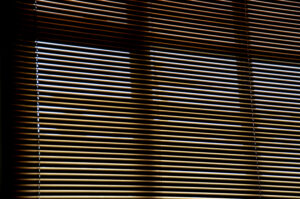 Install awnings and shutters
Install canvas or metal window awnings for shade, especially on west-facing windows. Awnings can reduce cooling energy use by about 26% in hot climates like ours. Also, exterior solar screens and shutters block heat before it hits the glass and outperform interior blinds.
Use window films & interior shades
Reflective window film, including low-e or heat-control films, can reject a significant amount of solar heat. Inside, it’s important to keep your blinds closed during the day and consider using blackout curtains for heat transfer slowdown. Take advantage of white or light-colored window treatments to reflect more sunlight.
Cool roofs & light colors
Consider using lighter exterior colors to reflect more sunlight rather than absorbing it. Cool roof color options and cool roofing materials help keep your roof surface up to 50°F cooler while reducing attic heat buildup.
Smart Appliance Usage: Reducing Indoor Heat Gain
Appliances add heat that your AC has to remove. To help keep your home cooler, it’s important to use your appliances more efficiently. Utilizing these habits goes a long way toward lowering your summer energy bills.
Cook Wisely
- Cook with a microwave, slow cooker, or grill instead of the oven on hot days to reduce heat and humidity in the kitchen.
 Laundry, Dishwashing & Hot Water Usage
 Laundry, Dishwashing & Hot Water Usage
- Air-dry your laundry when possible and use the air-dry setting on your dishwasher.
- Make sure your dryer vents properly to the outside.
- Take shorter, cooler showers and wash clothes in cold water.
Lighting Choices
- Switch to LED bulbs. They run cool and are far more efficient than incandescent bulbs, which emit about 90% of their energy as heat.
Electronics & “Vampire” Loads
- Devices such as TVs, computers, and game consoles generate heat when in use and when left plugged in. Be sure to turn off all your electronics, fans, and lights completely when leaving so they don’t suck more energy.
Thermostat Management: Finding the Sweet Spot for Arkansas Comfort
Raising your thermostat by just 1°F can cut cooling costs by around 5%. Many homes remain comfortable at around 78°F with a fan running and low humidity.
Use a programmable or smart thermostat so you’re not cooling an empty house. It’s recommended you set higher settings while you are away and cool things back down 30 minutes before returning. Keep heat sources, including the sun, away from your thermostat so it will read accurately.
Also, maintain your AC. Check your air filters monthly and replace them at least every three months. A clean filter alone can save about 5% on cooling energy.
Maximize Your Home’s Energy Efficiency
 A comfortable Arkansas home starts with insulation and air sealing, supported by smart ventilation, effective shade, and better daily habits. Together, these energy-efficient home upgrades help keep your home cooler, more comfortable, and easier on your budget.
DIY steps help, but professional insulation makes the biggest impact. At G&S Insulating, we have served Arkansas homeowners since 2001, with trusted insulation crews in Little Rock, Jonesboro, and Springdale. From insulation upgrades to air sealing, you can count on our expert energy-efficiency solutions team to do the job right the first time and help protect your home from our long Arkansas summers. Contact us today to schedule a free evaluation and start saving.
References
Blanchard, T. (n.d.). Energy efficiency tips for your home. LSU AgCenter. https://www.lsuagcenter.com/profiles/tblanchard/articles/page1624285222767
Energy Star. (n.d.-a). About attic ventilation. U.S. Environmental Protection Agency. https://www.energystar.gov/saveathome/seal_insulate/do-it-yourself-guide/about-attic-ventilation
Energy Star. (n.d.). Learn about LED lighting. U.S. Environmental Protection Agency. https://www.energystar.gov/products/learn-about-led-lighting
Energy Star. (n.d.-b). Recommended home insulation R-values. U.S. Environmental Protection Agency. https://www.energystar.gov/saveathome/seal_insulate/identify-problems-you-want-fix/diy-checks-inspections/insulation-r-values
Energy Star. (n.d.-c). Rule your attic. U.S. Environmental Protection Agency. https://www.energystar.gov/saveathome/seal_insulate/rule_your_attic
Energy Star. (n.d.). Smart thermostats. U.S. Environmental Protection Agency. https://www.energystar.gov/products/smart_thermostats
Insulation Institute. (n.d.). 2014 Arkansas energy code. Insulationinstitute.org. https://insulationinstitute.org/wp-content/uploads/2025/05/N136-AR-Energy-Code-0425.pdf
KATV. (2022). KATV meteorologists rank the top 7 Arkansas weather events of 2022. KATV. https://katv.com/news/local/katv-meteorologists-rank-the-top-7-arkansas-weather-events-of-2022-march-tornadoes-snow-july-heat-drought-february-winter-storm-november-outbreak-april-hail-december-arctic-front-ice-severe-thunder-spring-summer-fall-hot-dry-rain-precipitation-sleet-arwx
This Old House. (n.d.). 10 easy ways to cool your home. This Old House. https://www.thisoldhouse.com/heating-cooling/10-ways-to-beat-the-heat
University of Arkansas Division of Agriculture. (n.d.-a). Cooling your home. University of Arkansas Cooperative Extension Service. https://www.uaex.uada.edu/life-skills-wellness/at-home-with-uaex/posts/finances/cooling_home_sss.aspx
University of Arkansas Division of Agriculture. (n.d.-b). Ceiling fans [PDF]. University of Arkansas Cooperative Extension Service. https://www.uaex.uada.edu/publications/PDF/FSA-1053.pdf
U.S. Department of Energy. (n.d.-a). Cooling with a whole house fan. Energy.gov. https://www.energy.gov/energysaver/cooling-whole-house-fan
U.S. Department of Energy. (n.d.-b). Spring and summer energy saving tips. Energy.gov. https://www.energy.gov/energysaver/spring-and-summer-energy-saving-tips