
Arkansas winters may be mild compared to northern states, but they still bring frosty mornings, cold snaps, and the occasional ice storm that can test your home’s warmth. Daytime highs often hover in the 40s, yet nighttime temperatures slip into the 20s. And during Arctic outbreaks, the state can dip below zero. With that kind of unpredictability, insulation becomes one of the most essential tools for protecting your comfort.
This guide breaks down why insulation matters in the Arkansas winter climate, where to insulate for maximum impact, and which insulation materials perform best in Arkansas homes.
The Arkansas Winter Climate
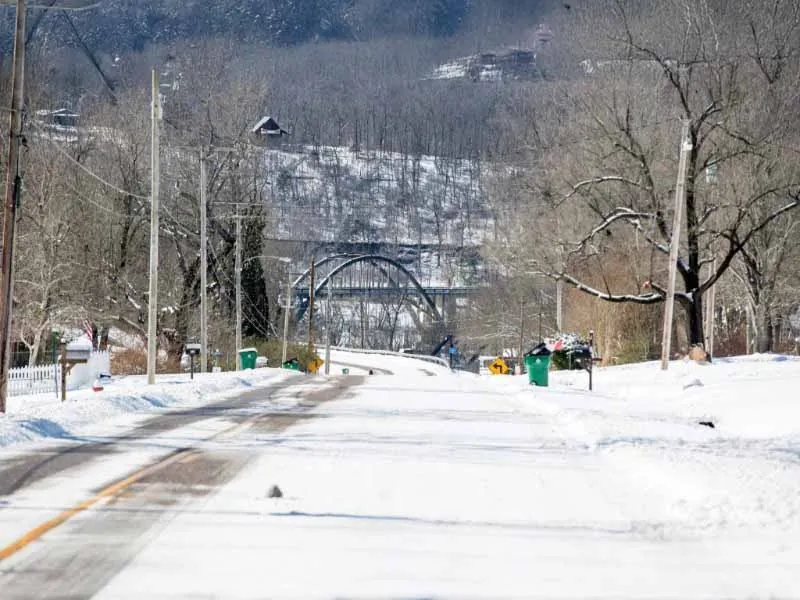
Arkansas winters can swing from sunny to cool to freezing almost overnight. In Northwest Arkansas, average highs sit in the 40s and lows in the 20s, while central and southern areas still experience well-below-freezing temperatures during strong cold fronts. This volatility puts strain on any home that isn’t weatherized.
Most of Arkansas falls within climate zones 3 and 4. Attic insulation is crucial, with experts recommending around R-49 for zone 3 areas and up to R-60 for zone 4 homes in northern counties. Without enough insulation, heat quickly escapes on cold nights, forcing your heating system to work overtime.
Proper insulation helps your home retain warmth during rapid weather swings, making your space more comfortable and more efficient.
Benefits of Proper Insulation
Lower Heating Bills and Better Efficiency
Good insulation slows the rate at which heat moves in and out of your home. That means your furnace or heat pump doesn’t have to run as often to keep things comfortable. When you combine proper insulation with air sealing, many Arkansas homeowners see energy use drop by roughly 15 to 20 percent. For the average household, that can mean close to $300 in savings a year.
The U.S. EPA notes that insulating attics, floors, and crawl spaces, along with sealing cracks and gaps, is one of the most effective ways to trim heating and cooling costs. With less heat escaping on cold nights and less hot air creeping in during summer, your home simply becomes cheaper to operate year-round.
Consistent Comfort
A well-insulated home maintains stable temperatures throughout. That means fewer cold corners, no more chilly bedrooms, and far less of the “drafty window” feeling when temperatures dip. With heat loss slowed, your HVAC system doesn’t need to work as hard to maintain comfort.
Reduced Moisture and Mold Risks
Uninsulated surfaces can get cold enough to create condensation when warm indoor air meets them. Over time, moisture buildup can lead to mold, mildew, or musty odors, especially in crawl spaces or basements. Insulation keeps surfaces warmer, helps prevent condensation, and reduces long-term moisture issues.
Environmental Benefits
Using less energy to heat your home doesn’t just save money, it also reduces the environmental footprint of Arkansas households. Because much of the region’s electricity still comes from fossil fuels, cutting energy waste directly lowers greenhouse gas emissions. Insulation is one of the simplest ways to do that.
By keeping more heat inside, your home requires less fuel and electricity to stay warm, which means fewer pollutants like carbon dioxide and sulfur oxides are released into the air. It’s a straightforward win for comfort, savings, and the long-term health of Arkansas’s natural landscape.
Key Areas to Insulate
Every part of the building envelope, from the roof to the foundation, plays a role in winter comfort. In Arkansas, the Weatherization Assistance Program prioritizes air sealing and insulating attics, walls, and floors because they deliver the most significant performance gains.
The U.S. EPA singles out attics, crawl spaces, and basement rim joists as key zones where adding insulation yields significant savings, up to ~15% heating cost reduction.
Attic
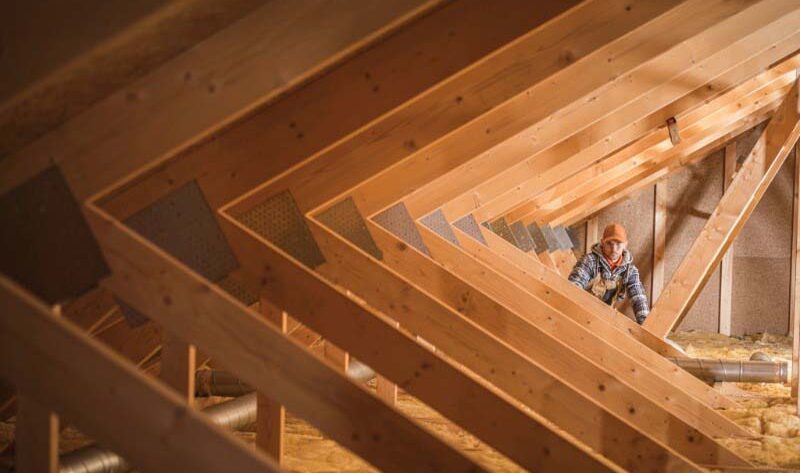
Your attic is one of the most significant sources of heat loss in winter. Warm air naturally rises, and without enough insulation, a surprising amount of that heat escapes through the roof. That’s why the attic is usually the first place energy experts recommend upgrading.
Many Arkansas homes, especially older ones, still have only a thin layer of insulation or none at all. Bringing levels up to the recommended R-49 for most of the state, and up to R-60 in northern Arkansas, makes a noticeable difference. A properly insulated attic holds heat inside, keeps rooms warmer on cold nights, reduces the load on your HVAC system, and helps cut winter heating bills.
Insulation also pays off in summer by keeping attic heat from radiating into your living space. For most homes, boosting attic insulation delivers some of the highest comfort and energy savings per dollar spent.
Exterior Walls
Exterior walls make up the largest surface area of your home exposed to cold winter air, so if they’re not properly insulated, heat loss adds up fast. Uninsulated or poorly insulated walls let cold drafts creep in and allow warm indoor air to escape, which is why wall insulation plays such a critical role in maintaining comfort.
Most newer Arkansas homes have insulated wall cavities, but many older houses, especially those built before the 1970s, may have little to no insulation. Even insulated walls can develop gaps or settle over time. Adding batt or blown-in insulation fills these voids, evens out indoor temperatures, and eliminates the chilly spots you often feel along exterior walls.
If you’re remodeling and already have walls open, it’s the perfect time to upgrade the insulation. A properly insulated wall system keeps the north wind from cutting through your home on blustery days and helps your heating system work far more efficiently.
Floors Over Unheated Spaces
Floors above unheated areas, such as vented crawl spaces, garages, or unfinished basements, can become noticeably cold in winter. Without insulation underneath, heat from your living space escapes into those voids, leaving floors chilly and forcing your heating system to work harder.
Adding batt insulation between the floor joists, or using spray foam for a tighter seal, creates a thermal barrier that keeps warmth where it belongs. It not only makes your home more comfortable underfoot but also prevents cold air from seeping upward into the rooms above. As a bonus, insulating these floors can help reduce noise transfer between levels of the house.
Basements and Crawl Spaces
Basements and crawl spaces are easy to overlook, but they’re major entry points for cold air. Many Arkansas homes sit on crawl space foundations, and when those spaces are vented or uninsulated, cold outdoor air can flow directly beneath the house, chilling the floors above.
Insulating crawl space or basement walls helps block that cold air and create a more stable thermal barrier. In crawl spaces, adding a vapor barrier on the ground also helps control moisture. Homeowners typically use rigid foam boards on basement walls, or spray foam or batt insulation along crawl space walls and rim joists. The rim joist especially deserves attention as it’s one of the most common spots for air leaks.
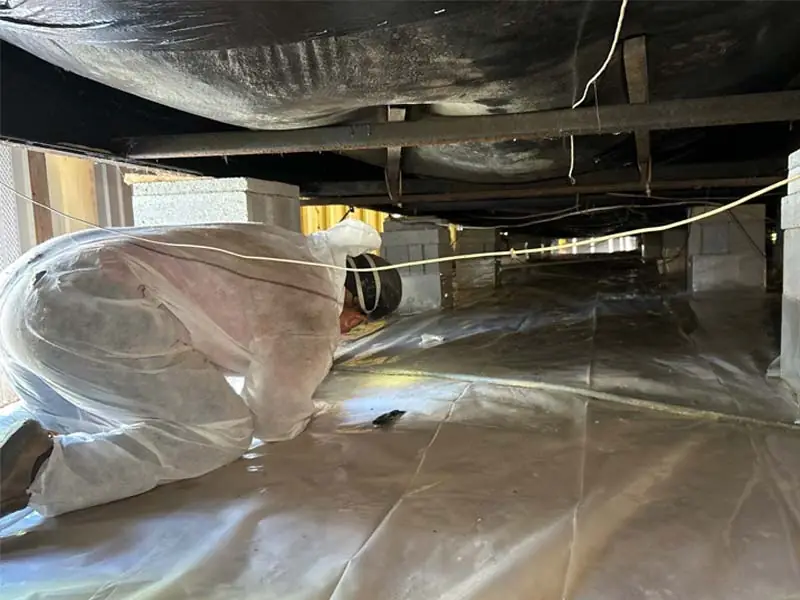
With proper insulation and air sealing, you’ll feel fewer drafts coming through the floor, maintain steadier indoor temperatures, and reduce the risk of frozen pipes. Moisture control improves as well, which helps protect the long-term condition of the home.
Windows and Doors
Windows and doors might not use traditional insulation materials, but they’re some of the biggest sources of heat loss when they aren’t properly sealed. Even small gaps around frames can let in cold air and allow warm indoor air to escape.
Simple weatherization steps make a real difference. Caulking around window frames and adding weatherstripping to exterior doors helps stop drafts before they start. Older single-pane windows benefit from storm windows or clear plastic film kits, which create an insulating air gap that cuts heat loss. You can also tighten things up further with inexpensive accessories like foam gaskets behind outlet plates on exterior walls or draft stoppers at the base of doors.
These measures work hand-in-hand with your home’s insulation. When you combine solid insulation with good air sealing around windows and doors, your home becomes far more resistant to winter chill.
Choosing the Right Insulation
When considering what type of insulation is best for your home, the “best” choice depends on many factors- where you’re adding insulation, whether your property is new construction or an upgrade, and your budget. Each insulation type has pros and cons, but the key to all of them is proper installation.
Fiberglass Batt Insulation
A widely used, cost-effective option for walls, ceilings, and accessible attic spaces. Fiberglass batts fit easily between framing members and are available in a range of R-values. They’re a strong choice for new construction or areas where cavities are open and easy to access.
Blown-In Insulation
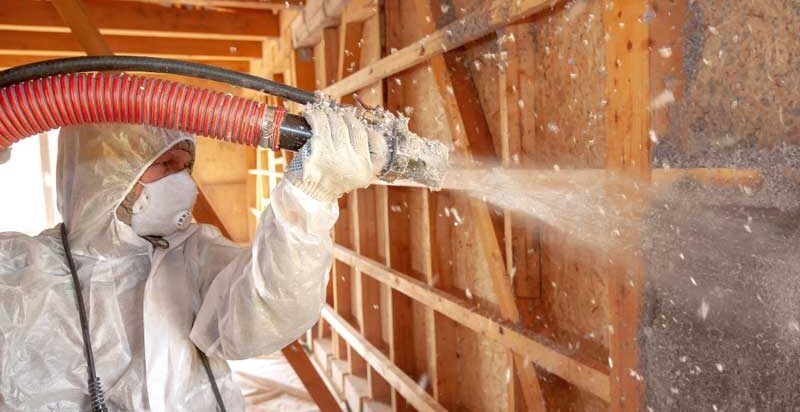
Loose-fill fiberglass or cellulose is ideal for retrofitting existing homes, topping off attics, or filling hard-to-reach cavities. It provides consistent coverage and reaches around obstructions where batts can’t. Professionals typically handle installation to ensure proper density and distribution.
Spray Foam Insulation
A premium option that provides both insulation and air sealing in one application. Open-cell foam is excellent for sound absorption, while closed-cell foam offers high R-value, moisture resistance, and added structural strength. It’s often used in crawl spaces, rim joists, and rooflines where maximizing performance matters most.
Cellulose Insulation
A dense, eco-friendly blown-in material made primarily from recycled paper. Cellulose performs well in attics and wall cavities and offers good airflow resistance. It’s a popular, budget-friendly upgrade for Arkansas homeowners looking to increase the depth of attic insulation.
Installation Matters
Even high-quality insulation won’t perform if it’s installed poorly. Gaps, compression, and missed areas significantly reduce effectiveness. Whenever possible, work with an experienced insulation contractor familiar with Arkansas climate needs and local codes. Proper installation ensures maximum benefit – a warmer, more efficient home.
Conclusion
Even in a moderate climate like Arkansas, proper insulation is one of the smartest investments a homeowner can make. It keeps your home warm during cold snaps, lowers heating bills, reduces moisture and mold risks, and improves year-round energy efficiency. When temperatures dip into the 20s or lower, a well-insulated home stays consistently comfortable without overworking the HVAC system.
If you want to stay warm this winter and improve your home’s efficiency, G&S Insulating is here to help. Contact us for a free insulation consultation and make sure your home is ready for whatever Arkansas weather brings.
References:
Arkansas Department of Energy & Environment. (n.d.). Weatherization Assistance Program. ADEQ. https://www.adeq.state.ar.us/energy/assistance/wap.aspx
ENERGY STAR. (n.d.-b). Insulation R-values. U.S. Environmental Protection Agency. https://www.energystar.gov/saveathome/seal_insulate/identify-problems-you-want-fix/diy-checks-inspections/insulation-r-values
ENERGY STAR. (n.d.-c). Why seal and insulate? U.S. Environmental Protection Agency. https://www.energystar.gov/saveathome/seal_insulate/why-seal-and-insulate
Insulation Institute. (n.d.-a). Environmental considerations. https://insulationinstitute.org/im-a-homeowner/about-insulation/environmental-considerations/
Insulation Institute. (n.d.-b). Report: 89% of homes are under-insulated. https://insulationinstitute.org/report-89-of-homes-are-under-insulated/
National Insulation Association. (n.d.). Cause and effect: Condensation control and mold prevention. Insulation Outlook. https://insulation.org/io/articles/cause-and-effect-condensation-control-and-mold-prevention/
National Weather Service. (n.d.). Tulsa, OK climate: Winter climatology. U.S. Department of Commerce. https://www.weather.gov/tsa/climo_cliwinter
University of Arkansas Cooperative Extension Service. (n.d.). Home insulation (Publication No. FSA-9606). University of Arkansas System Division of Agriculture. https://www.uaex.uada.edu/publications/PDF/FSA-9606.pdf
U.S. Department of Energy. (n.d.-a). Fall and winter energy-saving tips. Energy Saver. https://www.energy.gov/energysaver/fall-and-winter-energy-saving-tips
U.S. Department of Energy. (n.d.-d). Where to insulate in a home. Energy Saver. https://www.energy.gov/energysaver/where-insulate-home